

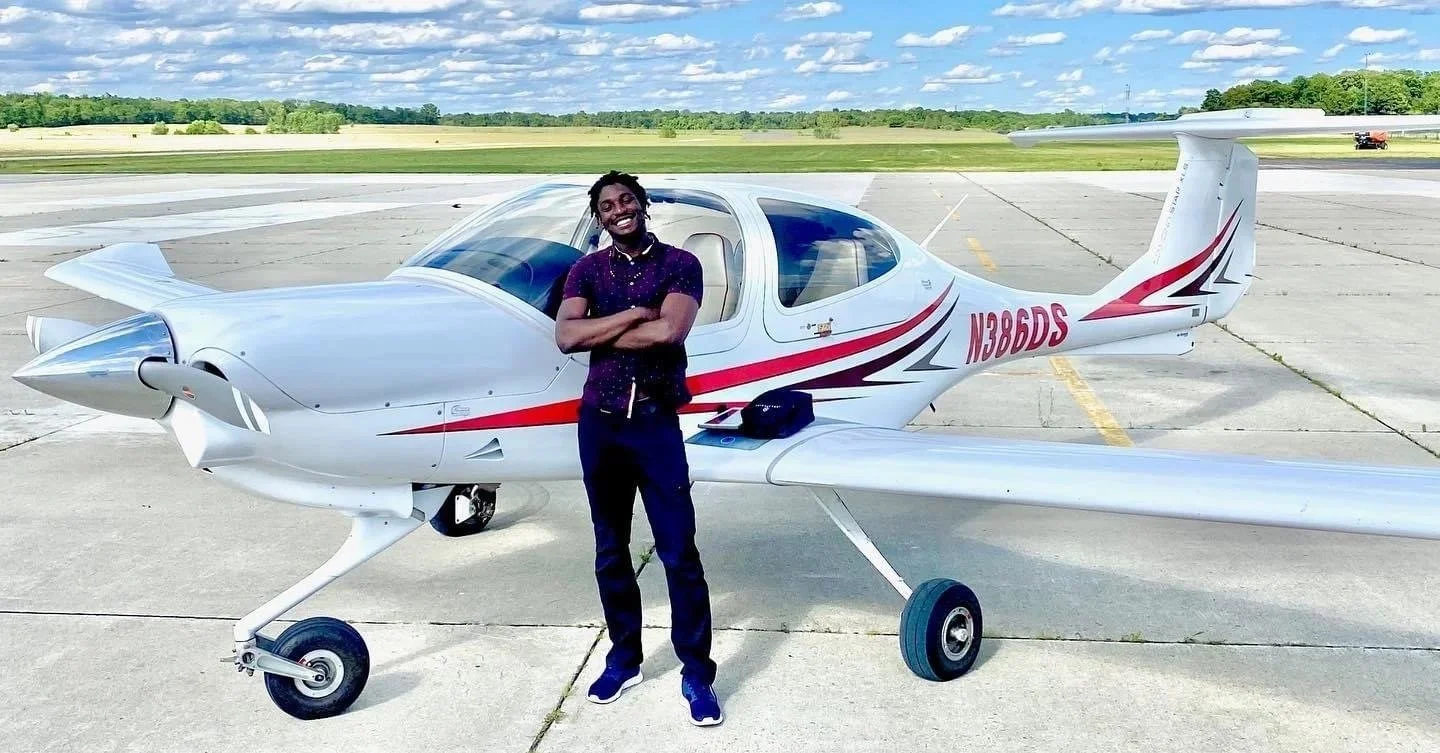
Private Pilot Course (PPL)
The private pilots license is the first rung on the ladder of aviation training and
development. A person holding a private pilot license is allowed to fly an aircraft for recreational/
personal use in generally good weather conditions (VFR- Visual Flight Rules) . The pilot may take passengers, however, not for
compensation or hire. The Federal Aviation Administration (FAA) requires that the applicants be at least 16 years of
age in order to solo and for powered aircraft you can get a student pilots license/certificate (similar to a learner driver permit and used during the
interim training for the Private Pilot License or PPL) and 17 years of age before completing the PPL
certificate. The applicant must be able to read, speak, write and understand the English language.
Although there are no academic prerequisites, students who wish to pursue the commercial license or
airline transport license for the purpose of flying professionally will be at an advantage with
tertiary level academic training., even though all the legacy/major airlines have removed that requirement.
Instrument Rating course (40 hours)
The instrument rating course is designed to provide the applicant with the skills and knowledge necessary to maneuver the aircraft solely be reference to the aircraft instruments. The FAA requires an additional forty (40) hours of training beyond the private pilot training. However, some of this training may be completed in a simulator. This rating will allow the holder the privilege to fly in weather that normally would be prohibited for the non-instrument rated pilot. Since more often than not, a commercial pilot will be required to fly his or her aircraft on a fixed scheduled, it is imperative that the skills necessary to operate in weather conditions that would otherwise be unfavorable for VFR (visual flight rules) be mastered before undertaking such a flight. It is a valuable and indispensable skill that is sometimes called the pilots “best insurance policy”. In practice, most instrument training flight are conducted under “simulated” conditions. This is achieved by using what is called a view-limiting device. A device worn by the trainee that restricts the pilot from seeing outside the aircraft for the purpose of simulating flying in the clouds and other visual impairment, due to weather, reducing the visibility in flight.
The Instrument Rating Course is designed to provide the applicant with the skills and knowledge necessary to maneuver the aircraft solely by reference to the aircraft instruments.
This rating will allow the holder the privilege to fly in weather that normally would be prohibited for the non- instrument rated pilot. It is a valuable and indispensable skill that is sometimes called the pilots “best insurance policy”.
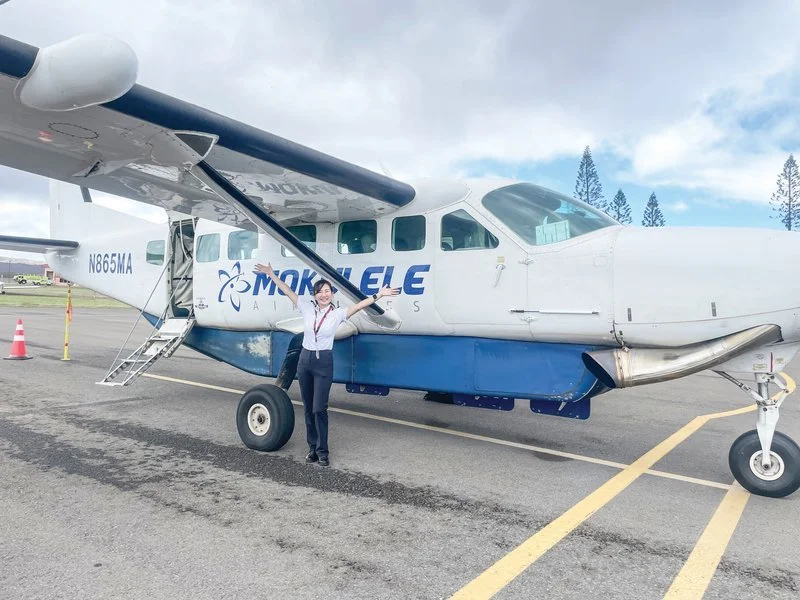
Commercial Pilot Course (CPL)
The commercial license is required for all operations that are conducted for
compensation or hire. Pilots employed to fly for airlines, air taxi operators, crop dusters, charter
companies, banner towing, flight instructors, etc., all require a commercial license. The course itself takes
approximately forty (40) hours of training flight time but the applicants total flight time cannot be less
than two hundred (250) hours of total aeronautical experience by the time the flight test is taken. In
practice, this means that most pilots who follow the usual process will need to build flight time and
experience after achieving their PPL and Instrument Rating. This period is totally flexible and can be
accomplished as fast as the student desires. This “time-building” is most often accomplished by pilots
who rent an aircraft (sometimes sharing expenses with another pilot in who also needs to build flight-
time) and fly to various places to gain the experience and skills that will help them preparing for the
commercial pilot test.
Federal Aviation Administration Part 61 Program
The holder of the Commercial Pilot Certificate will be able to act as Pilot in Command of an airplane carrying passengers
and/or property for compensation or hire. As a commercial pilot, this certification is the basic requirement to seek
employment.

Start Your Next Adventure
Welcome to a space designed for ideas that move people. With a focus on quality, clarity, and connection, we're here to help you make an impact that lasts.